Does overthinking cause weight gain?

Ava Wright
Updated on August 20, 2026
Stress can make you fat. And it's not entirely because you stress eat, a new study suggests. Researchers found that chronic stress may pump up the rate in which new fat cells are formed, according to a report published Tuesday in Cell Metabolism.
Does overthinking increase weight?
Levels of "the stress hormone," cortisol, rise during tension-filled times. This can turn your overeating into a habit. Because increased levels of the hormone also help cause higher insulin levels, your blood sugar drops and you crave sugary, fatty foods.
How Do I Stop overthinking weight?
Don't overthink your diet
- Skip all soda. ...
- Eat breakfast, even if you're not hungry. ...
- Use smaller plates and glasses. ...
- Swap in lowfat, fat-free or sugar-free versions of foods you crave. ...
- Banish trigger foods from your home. ...
- Rate your hunger before deciding to eat. ...
- Start your meal with soup, salad or fruit. ...
- Dine out less often.
Can you gain weight by stressing?
The question of whether excess amounts of cortisol can lead to weight gain is essentially the same as asking if too much stress can cause you to put on unwanted pounds. The answer in both cases is yes.
Does thinking a lot cause weight loss?
Your brain burns calories to perform basic functions. It burns a bit more if you think really hard, but it's not enough to make you lose weight. That doesn't mean exercising your brain has no benefits. Activities like listening to music, doing puzzles, and learning new hobbies can all boost your cognitive function.
39 related questions foundDoes overthinking burn calories?
“You will in fact burn more energy during an intense cognitive task than you would vegging out watching Oprah or whatever,” he says. But in the context of the average person's overall energy expenditure, the difference in calorie burn from one mental task to another is a tiny amount, he adds.
Does anxiety cause weight gain?
Increased cortisol levels, as the result of anxiety, cause fat to build up in the stomach and leads to an increase in weight. The longer that a person experiences stress and anxiety, the more weight he or she can potentially gain.
Does lack of sleep cause weight gain?
The bottom line. If you're trying to lose weight, not getting enough sleep can sabotage your efforts. A lack of sleep is linked to poorer food choices, increased hunger and calorie intake, decreased physical activity, and ultimately, weight gain.
Why am I gaining weight so fast?
Poor sleep, sedentary activities, and eating too many processed or sugary foods are just some of the habits that may increase your risk of weight gain. Yet, a few simple steps — such as mindful eating, exercise, and focusing on whole foods — can help you reach your weight loss goals and improve your overall health.
Why am I gaining weight by eating less?
You Might Be Eating Too Little
Eating too little can also cause you to get so hungry that you stray from your planned, healthy meals and snacks, or eat foods that aren't ideal for weight loss. So, what can you do? First, make sure that you're fueling your body by eating healthy, balanced meals.
Should I worry about my weight?
When to Worry About Weight Loss
Your body's weight can fluctuate but when you lose more than 5% of your weight over 6-12 months, that's typically a reason for concern. Pay attention if you experience other symptoms, such as: Fatigue. Loss of appetite.
Does stress increase belly fat?
Prolonged stress can affect your mental and physical health. It can even lead to a little extra weight around the middle, and extra abdominal fat isn't good for you. Stress belly isn't a medical diagnosis. It's a way to describe how stress and stress hormones can affect your belly.
How much does stress affect weight?
Unfortunately, all of this excess stress can lead to an increase in weight. And whether the extra weight is a result of overeating and unhealthy food choices, or your body's response to increased levels of cortisol, getting a handle on stress is a priority if you want to prevent stress-related weight gain.
How do you fasten your metabolism?
Here are 9 easy ways to increase your metabolism.
- Eat Plenty of Protein at Every Meal. Eating food can increase your metabolism for a few hours. ...
- Drink More Cold Water. ...
- Do a High-Intensity Workout. ...
- Lift Heavy Things. ...
- Stand up More. ...
- Drink Green Tea or Oolong Tea. ...
- Eat Spicy Foods. ...
- Get a Good Night's Sleep.
How can I lose my recent weight fast?
Methods of weight loss that scientific research supports include the following:
- Trying intermittent fasting. ...
- Tracking your diet and exercise. ...
- Eating mindfully. ...
- Eating protein for breakfast. ...
- Cutting back on sugar and refined carbohydrates. ...
- Eating plenty of fiber. ...
- Balancing gut bacteria. ...
- Getting a good night's sleep.
Why can't I lose the weight?
At the most basic level, not reaching your weight loss goal can occur when calorie intake is equal to or higher than calorie use. Try strategies such as mindful eating, keeping a food diary, eating more protein, and doing strength exercises.
What food makes u gain weight?
Many factors play a role in weight management, including your diet. Certain foods are more likely to contribute to weight gain than others, including processed foods that are high in calories, fat, added sugar, and salt. Nevertheless, these foods can still fit into a well-rounded diet.
Is 5 hours of sleep enough?
Sometimes life calls and we don't get enough sleep. But five hours of sleep out of a 24-hour day isn't enough, especially in the long term. According to a 2018 study of more than 10,000 people, the body's ability to function declines if sleep isn't in the seven- to eight-hour range.
Can oversleeping cause weight gain?
Oversleeping can be harmful, too
Research suggests there's a link between too much sleep and weight gain. As with too little sleep, there is a greater risk of obesity among people who sleep too much. The risks and problems associated with oversleeping go well beyond weight gain.
How many hours do you need to sleep to lose weight?
Overall, it is likely a good idea for anyone looking to lose weight to aim for 7–9 hours of sleep per night.
Why have I gained weight in my 20s?
Weight gain is common as we age. As you move through your 20s on to your 30s, you may notice subtle changes in your waistline, and an increasing tendency to gain weight. We should however be mindful that metabolic rate does change as we get older because of the decline in our muscle mass.
Will losing weight help my anxiety?
“If you're carrying too much weight, odds on you're more anxious or depressed than you need to be. Losing this weight is associated with a better quality of life, improved mood, better self-esteem, and a more positive attitude to life.
Can you lose weight because of stress?
Stress and weight loss
While many people put on weight during periods of stress, others lose weight. Stress is known to cause a loss of appetite for some people, meaning that they end up eating less food.
Can walking burn calories?
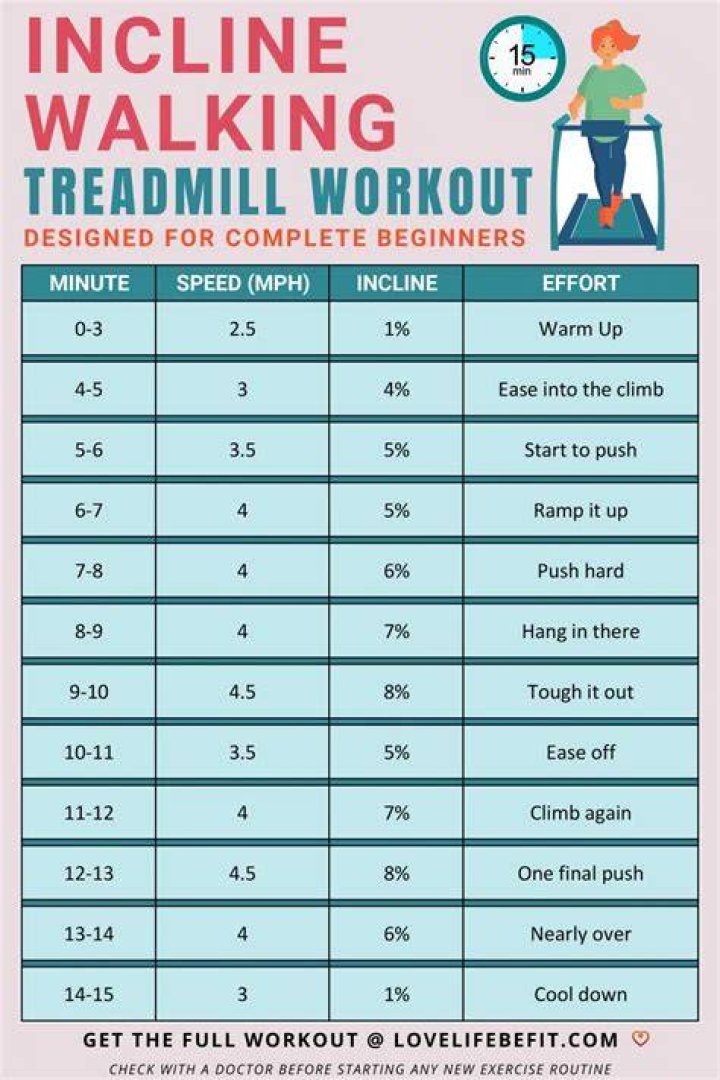
Physical activity, such as walking, is important for weight control because it helps you burn calories. If you add 30 minutes of brisk walking to your daily routine, you could burn about 150 more calories a day. Of course, the more you walk and the quicker your pace, the more calories you'll burn.
How many calories do I burn a day?
The average person burns around 1800 calories a day doing absolutely nothing. According to the Healthy Eating Guide, sitting burns an estimated 75 calories per hour. A sedentary woman aged 19 to 30 burns 1,800 to 2,000 calories daily, while a sedentary woman aged 31 to 51 burns about 1,800 calories per day.